Rabbit Hole
February 15th 2011 02:56
In delving into some very dark places, John Cameron Mitchell’s Rabbit Hole, adapted by David Lindsay-Abaire from his own Pulitzer Prize winning play, conjures a world in which a couple loses a child, then attempt to ignore the damaging, excruciating stress fractures it has opened up in their lives.
Eight months after the tragic death of their young son in a road accident, New York couple, Becca (Nicole Kidman) and Howie (Aaron Eckhart), superficially maintain a façade of life ongoing. But the facsimile of normality they’ve fashioned is starkly undermined by Becca’s haunted glazed eyes and a lack of intimacy that has restricted them to minimal physical contact.
Though life seems bearable beyond Howie’s encouragement to engage in a therapy group for grieving parents, a deeply-ingrained sorrow is coursing through their veins, with a poisoning imminent. Becca is teetering on the edge of emotional breakdown, her pain woven out of unwanted glimpses and piercing reminders of the ghostly presence inside her haunted house. Howie seems much further removed from emotional collapse, but is hardly unmarked by his son’s passing, his late night replays of footage on his mobile phone simultaneously healing and self-flagellating.
Kidman’s performance is a telling reminder of why her very best work can rightly be considered the equal of any actress in the world today. The role of Becca is a challenging and demanding one; imagine having a sensitive nerve jangled for 90 minutes and you’ll come close to understanding how impressively Kidman sustains the pitch required to immerse audiences in her emotionally crippling mindset. The role of a bereaved mother may have seem to have a certain level of empathy attached to it, but Kidman evokes a deeper, more meaningful response with the nuance of every haunted glance and pained movement. Eckhart provides not a false not in support but there’s never any doubt that Howie’s story is always playing second fiddle to Becca’s.
The film as an entity never flirts with greatness; a stockpile of overly familiar sub-plot strands – solace sought in adulterous temptations, familial resentment rearing its ugly head, the talismanic power of a pet – undercut any chance of that, but thanks to the exemplary standard of the acting, Rabbit Hole will still be remembered as an extremely accomplished and admirably adult drama.
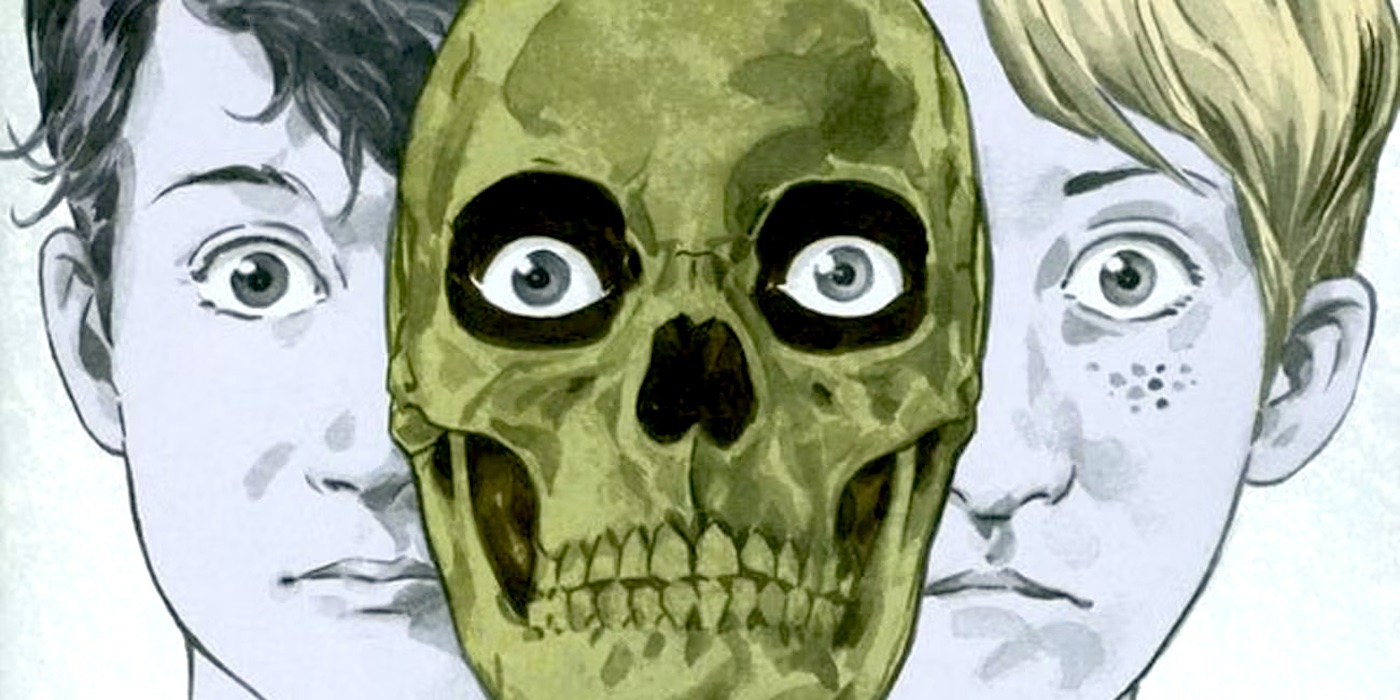
The film’s most effective metaphor emerges via a comic book, the work of Jason (Miles Teller), a young man who becomes the focus of Becca's fascination for reasons that aren't disclosed until well into the film. In this fascinating evocation of Jason’s own internal process and the creative outlet it forges, we get an insight into grief being sublimated through the pondering of alternate realities - parallel worlds in which different versions of ourselves exist to compete for mundane pleasures whilst we remain entombed in our excluded, despairingly mortal selves. Comprehension in such possibilities is simple as long as you believe in science Jason tells Becca; for a woman who wantonly declares her despise for those clinging to God for comfort in grief, this may be poignant, though infinitesimal, consolation.
From a director known for his frank and sexually provocative work on Hedwig and the Angry Inch (2001) and most recently, Shortbus (2006), this is a fascinating change of pace. The film's pervasive gloomy tone is occasionally leavened by Lindsay-Abaire through snippets of humour, mostly supplied by Becca’s mum (Dianne Weist) and sister (Tammy Blanchard). But an imposing column of suffering keeps Rabbit Hole (2010) upright all the way to its conclusion in which Lindsay-Abaire allows a ray of light to creep into these lives. Catharsis or cruel false hope? Neither actually, for it proves to be more of a realistically tempered vindication of life and acknowledgement that beyond the pain, unanimously shared, we simply need to plough on or wither and die.
Rabbit Hole is released in Australian cinemas this Thursday, February 17th.
| 64 |
| Vote |
subscribe to this blog


Comment by Bryn
Horrorphile
Comment by David O'Connell
20/20 Filmsight
Screen Fanatic